What cannabis nurses do, where they work, what every nurse is expected to know about cannabis, whether it fits your scope, and how to enter the specialty.
A cannabis nurse is a licensed nurse who educates and supports patients who use, or are considering, medical cannabis. Cannabis nurses do not recommend or certify cannabis; they help people understand it, use it safely, track what it does, and talk with their prescribers about it. The American Nurses Association recognized cannabis nursing as a nursing specialty in September 2023, and the American Cannabis Nurses Association publishes its scope and standards.
- Cannabis nursing is an ANA-recognized specialty (2023). Your state Nurse Practice Act sets the limits of your practice; the ACNA scope and standards describe the specialty.
- The National Council of State Boards of Nursing asks every nurse, specialist or not, for working knowledge of cannabis law, the local medical program, safety and a nonjudgmental approach.
- There is no board certification in cannabis nursing yet. Specialty education with contact hours is what employers look for today.
- Cannabis nurses work in clinics, hospitals, hospice, mental health, pediatrics, dispensary education, community programs and private practice.
- CannyNurse® is INCA’s two-part program, with 100+ contact hours from an ANCC-accredited provider.
What is cannabis nursing?
Cannabis nursing is a holistic nursing practice that uses evidence-based knowledge to support and educate patients on the medical use of cannabis. The American Cannabis Nurses Association (ACNA), which worked for years to have the specialty recognized, states its goal plainly: to support and educate medical cannabis patients. Many cannabis nurses are holistic nurses at heart, bringing a body-mind-spirit outlook and a caring presence to an area of health care that has been stigmatized for a century.
When the American Nurses Association announced the recognition on September 27, 2023, its president said, “ANA is pleased to officially recognize cannabis nursing practice as a nursing specialty.” ANA described the recognition as highlighting the role cannabis nurses play across health care settings.
A note on language: cannabis nurses generally say cannabis rather than marijuana, except when quoting a law or a document title. The older word carries a history of being used to attach the plant to racial prejudice, and the profession has moved away from it.
What cannabis nursing is not: it is not prescribing, not recommending a product or a dose, and not an endorsement of recreational use. The nurse’s work is education, safety and support, inside the license.
What does a cannabis nurse do?
The day-to-day work looks like nursing, because it is nursing:
- Patient education. Helping a patient understand what their state program allows, what product labels mean, and what questions to bring to the prescriber or the dispensary.
- Symptom and response tracking. Teaching patients to journal what they use and what changes, so the care team has real information instead of guesses.
- Safety. Reviewing the health history and current medications, flagging possible concerns to the prescriber, teaching safe storage around children and pets, and recognizing when something is not right.
- Bridging the gap. Clinicians who authorize medical cannabis often do not guide product choice, which can leave patients relying on dispensary staff. A nurse brings a care plan, a history review and clinical judgment to that gap.
- Advocacy inside institutions. Helping a unit or facility write a policy for patients who arrive using cannabis, and modeling a nonjudgmental approach for colleagues.
- Coaching. Many cannabis nurses are Nurse Coaches who use Nurse Coaching skills to help patients set their own goals and change habits across their whole health, not only around cannabis.
The science behind cannabis is the clinical core of the specialty. It is taught in depth in the CannyNurse® Certificate Program; this guide stays with the role.
What is every nurse expected to know about cannabis?
In 2018 the National Council of State Boards of Nursing (NCSBN) published the National Nursing Guidelines for Medical Marijuana, the first national guidance on the subject. In NCSBN’s words, it asks all nurses, not only specialists, for six areas of essential knowledge:
- The current state of legalization of medical and recreational cannabis use
- Their own jurisdiction’s medical cannabis program
- The endocannabinoid system
- Cannabis pharmacology and the research evidence
- Safety considerations for patients using cannabis
- A nonjudgmental approach to the patient’s choice of treatment and preferences in managing symptoms
The guidelines also noted that most nursing curricula did not yet teach this, which is why specialty education exists. If you work in any setting, some of your patients are likely already using cannabis; the question is whether you feel prepared to help them.
Where do cannabis nurses work?
- Office-based and integrative practices, alongside the physicians and nurse practitioners who authorize medical cannabis
- Inpatient units, where bedside education and policy work happen
- Mental health settings, pediatric hospitals, and hospice and palliative care, where cannabis use is common and stigma can be high
- Dispensaries and the cannabis industry, as the clinical professional on site, which builds trust with patients and referring providers
- Community and public education
- Consulting and private practice, often as a Nurse Coach whose practice includes cannabis education alongside whole-person health
Cannabis nurses often act as educators and advocates for colleagues as well as patients. Like any area of nursing, it asks for good self-care to keep a steady, caring presence with people who may have been judged elsewhere.
Is cannabis nursing within my scope of practice?
Your state Nurse Practice Act sets the limits of your practice, and the ACNA scope and standards describe the specialty. In general:
- LPNs/LVNs, RNs and APRNs can all practice cannabis nursing to the extent of their license.
- Educating, supporting, tracking and advocating are part of nursing practice.
- Recommending or certifying a patient for a medical cannabis program is a prescriber’s act. Depending on state law, some APRNs with prescriptive authority may certify patients; RNs and LPNs/LVNs do not.
- Federal law is changing. Since April 2026, cannabis covered by a qualifying state medical cannabis license and FDA-approved cannabis drug products are in Schedule III, while other cannabis remains in Schedule I and a broader rescheduling review continues. Your employer’s policy and your state board’s position still matter; the CannyNurse® program covers how to find and read them.
How do you become a cannabis nurse?
- Hold an active nursing license. LPN/LVN, RN or APRN. Cannabis nursing is nursing.
- Complete specialty education with contact hours. Look for a program that is comprehensive, written for working nurses, clear that it awards a certificate and not a board certification, and current with the research. The CannyNurse® Certificate Program has two parts: CannyNurse® Foundations (25 contact hours) for any nurse who wants the essential knowledge, and CannyNurse® Professional (75+ contact hours, 12 modules and a final exam) for Foundations graduates who want the full depth of the specialty. Modules take about 8 to 10 hours each. The program was written by Ariana Ayu, RN, MSc, for nurses who cannot stop working to go back to school. Over a hundred nurses have completed it, including educators, bedside nurses, LPNs, semi-retired nurses and prescribers, and the Cannabis Nurses Network has called it its favorite comprehensive cannabis nurse program.
- Join the specialty community. The American Cannabis Nurses Association and the Cannabis Nurses Network are both INCA partners and offer continuing education, conferences and a community of practice.
- Practice it where you are. Many cannabis nurses start by becoming the person on their unit or in their clinic who knows the law, the program and the safety questions. Some go on to dispensary education, consulting, or a Nurse Coaching practice of their own. If coaching is your path, start with what a Nurse Coach is.
Is there a cannabis nursing certification?
Not yet. ANA’s 2023 recognition is of the specialty, not a credential, and ACNA has been working toward a certification exam. Until one exists, a course advertised as “cannabis nurse certification” awards a certificate of completion, so read the details. Today, specialty education with contact hours from an accredited provider is what employers and patients look for. When a certification exam is announced, INCA will update the CannyNurse® program to prepare students for it.
For how specialty certificates differ from board certification, see the holistic nursing certification guide, which covers the AHNCC credentials many cannabis nurses also hold. Nurse Coaches can also become board certified; the Nurse Coach certification guide explains that path. All of INCA’s specialty programs are listed in specialty courses for nurses.
Common questions
Is it legal for nurses to work with patients who use cannabis?
Yes. Educating and supporting patients about a treatment their state allows is nursing practice. What a nurse may not do is recommend or certify cannabis; that is a prescriber’s act. Your state Nurse Practice Act and your employer’s policy set the details.
Do I need to live in a state with legal cannabis?
No. The NCSBN guidelines ask every nurse to understand cannabis law and safety, because patients travel, move and use cannabis in every state. The knowledge applies wherever you practice.
Can LPNs and LVNs take the CannyNurse® program?
Yes. The program is open to LPNs/LVNs, RNs and APRNs, and the scope content addresses each license level.
How long does CannyNurse® take?
Both parts are online. Foundations is 25 contact hours; Professional is 75+ contact hours across 12 modules and a final exam. Modules take about 8 to 10 hours each, so most nurses fit the program around their work schedule.
Do I earn contact hours?
Yes. The two parts together award 100+ contact hours from an ANCC-accredited provider. Contact hours may count toward license renewal and other continuing education requirements; check your state board’s rules.
Is CannyNurse® a certification?
It is a certificate program with contact hours. There is no board certification in cannabis nursing yet from any national credentialing body. When one is created, INCA will update the program for exam preparation.
Be the nurse who can help
Your patients may already be using cannabis. The CannyNurse® Certificate Program is online, written for working nurses, and awards 100+ contact hours from an ANCC-accredited provider across two parts.
See the CannyNurse® program → All specialty courses →Sources
- American Nurses Association. ANA officially recognizes cannabis nursing as a specialty nursing practice (September 27, 2023).
- American Cannabis Nurses Association. Scope and Standards of Cannabis Nursing (2024).
- NCSBN. The NCSBN National Nursing Guidelines for Medical Marijuana. Journal of Nursing Regulation 9(2) (2018).
- Drug Enforcement Administration. Marijuana rescheduling regulatory actions (2026).
- Cannabis Nurses Network.
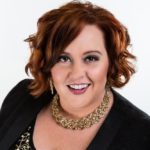
Ariana Ayu
Integrative & Holistic Cannabis Nurse Coach
Founder / Lead Educator, CannyNurse™ Certificate Program
Ariana Ayu is a Transformational Mystic and a Catalyst for Constructive Change.
Ariana became a professional Healer in 2000 and has been certified in a wide variety of modalities including: bio-field healing (Reiki, Reconnective Healing, Matrix Energetics, and more), hypnotherapy (including Past Life and Life Between Lives regression therapies), Deep Memory Process and Ancestral Healing (with the late great Roger Woolger, may he rest peacefully and/or be enjoying whatever he’s doing now), and plant medicine (aromatherapy, flower essences, and cannabis therapeutics).
She was initially Ordained as a Priestess in 2004, and again through the Temple of Ascension in 2018. Ariana has studied ancient and modern wisdom from a wide variety of cultures and spiritual traditions. She’s done a wide variety of sacred travel, including Earth-grid work with Drunvalo Melchizadek in Easter Island and Moorea, ceremonies inside multiple Egyptian pyramids with Nicki Scully and Star Wolf, and private communing with stone circles in Ireland and Scotland. Her most constant journey has been an inner one; always seeking to understand her inner workings and evolve into a more authentic expression of her soul’s purpose on Earth.
Ariana became licensed as a Registered Nurse in 2008 due to a desire to understand the body (and our healthcare system) in a deeper way than she had before as a healer. She earned her Masters Degree in Advancing Nursing Practice from the University of Edinburgh in Scotland, UK in 2010 and her dissertation was entitled “Researching Complex Interventions and Holistic Biofield Therapies: A Proposed Phenomenological Study of Reiki” and can be viewed/ downloaded by clicking the title.
In 2012, after seeking an approach to nursing that was more closely aligned with her holistic philosophy, Ariana completed the Integrative Nurse Coach® Certificate Program from the International Nurse Coach Association | Integrative Nurse Coach® Academy, followed by the Holistic Health Coach training from the Institute for Integrative Nutrition (a year-long course whose content included over 100 different dietary theories). In 2020, she completed the Cannabis Nursing program through Pacific College of Health Sciences.