Being Is Enough: Integrative Nurse Coaching and Presence- Cheryl Toto BSN, RN, NC-BC Transcript
Nicole Vienneau 00:00
Welcome, everyone, to the Integrative Nurse Coaches in ACTION! podcast. My name is Nicole Vienneau. I am your host, and I’m also a board-certified integrative Nurse Coach. And I have the pleasure of interviewing amazing Nurse coaches from all over the world.
And today we have a guest from Pennsylvania, so I think that’s fun because East Coast versus West Coast versus Italy versus all of the different areas that we can interview from have different cultures, different things going on, and today is no exception. The other thing that we… we always have chats before we actually press record, and the thing I love about our guest today is that she is in the process of trying to figure things out.
Like, what am I going to do with my Nurse Coaching? And I think listeners, we’re all in that same boat, right? We think we know what we want when we take the course and we become board certified as an integrative Nurse Coach.
And sometimes things don’t work out exactly the way we want them to, and I think this journey that we go on to discovery is really important, and all of us are doing that. So this is a reconnection to spirit, to soul, to mind, to your body, to really come together. And hear, our next guest’s story. We welcome Cheryl Toto.
Cheryl Toto 01:27
Hi, Nicole. Thank you so much for having me today. I feel really honored to be here.
Nicole Vienneau 01:33
Yay! And we’re so glad you’re here to share your story, your unique and individual story as a Nurse, as an integrative Nurse Coach, as a human, so we love to go down history lane, and we love to know a little bit more about your history. Like, why did you even decide to become a Nurse?
Cheryl Toto 01:53
Thank you for that question. I love that. I have never been asked that before, so this is really fun. When I was starting to think about and reflect on why I became a Nurse, I’m like, wow, I don’t think I’ve ever told anybody why, and I think it all started… I have nobody in my family that’s a Nurse. None of my siblings, no cousins, no aunts and uncles.
So there’s no medical people in my world that influenced me at all. It all was from an experience I had as a child. I was diagnosed with scoliosis when I was 10 years old, and I had to wear the Boston back brace for two and a half years, and then I had some skin problems due to the brace, and I had to get an… They put me in a plaster cast all over my shoulders like I was an Incredible Hulk for three weeks.
It was so crazy, so my mom ended up switching me to a different hospital, Shriners Hospital in Massachusetts, which is like a two-hour drive. So I’m very grateful for the commute that my mother did to get me there. And those Nurses changed me. Like they were so compassionate and so wonderful with me.
I was there for six weeks because they needed to spend about three weeks to test different plastic things on my arm because what I was told at age 10 is you can either wear a brace or have surgery. And if I have surgery at age 10, I would be that height. I wouldn’t grow anymore once I had the rod put in. So I said, let’s… I don’t want surgery.
Let me try the brace. I wore that for two and a half years, and then because of my skin issues, I couldn’t continue to wear them, so I had to have the surgery. So I went to Shriners Hospital, and in those three weeks where before I had my surgery, I was like their little Nurse helper. And when I entered the hospital, I was so afraid, and I thought, Oh my gosh, I’m the only one in my family that has scoliosis.
I know nobody who has it. I have this horrible disease. What’s going to happen to me? I was so afraid, and when I got there, I saw that I was the most well off. Like I had the best disease to have because people couldn’t walk. These were children from all over the world actually came there. Shriners is a free hospital, and I guess they draw in a lot of people from other countries, and a lot of people couldn’t walk.
And I’m like, oh my gosh, I feel grateful that this is all I have, right? So it changed my mindset about what I had. And during those few weeks before my operation, I was walking around helping everybody, and the Nurses said, “You’re going to be a great Nurse someday.” I’ll never forget the night before my surgery.
I was so afraid, I was crying, and this Nurse named Nanette- Now this was in 1980; it was 46 years ago, and I still remember her name, and she comforted me, told me, “Do not be afraid. You’re going to be okay. Don’t ever be afraid.” And so, fear of the unknown. And I kept that message with me my whole life, pretty much, to not be afraid.
And I became very close to the student Nurse who I had, and she came to visit me for probably 10 years. We stayed in touch, and I just had such a bond with these people. I said, I want to be like them, I want to be a Nurse and help children. Oh gosh, I’m getting emotional. It was just like so… It was so special to me what I went through, and so that really would inspire me to become a Nurse. And so I’ve always worked in pediatrics…
Nicole Vienneau 05:02
Let’s pause for a minute, because Cheryl, this story, this history that you have, I mean, this young girl being so fearful and not certain of her your outcome. This little girl, and here she has to go and have this major experience at a hospital you don’t know anyone at, and all of a sudden you meet these loving, inspirational Nurses that really care for you.
And then that realization at an early age of gratitude, seeing other children who had you witnessing how grateful you are for your own set of circumstances, and how that shifted you, and I can hear it in your voice. I can see you. Our listeners can see you. That this really touched you, right? Yeah.
Cheryl Toto 05:54
Yeah. It really hit my heartstrings seeing all these people, all these kids going through stuff, and I just wanted to help everybody. I was, and I said, “This is my calling. This is what I want to do.” And that’s what I did. I went into Nursing, but I couldn’t really afford it. So I didn’t really have any money to go to college. My parents couldn’t afford it. So, but I put myself through school, and I just wanted to save.
It was my faith and my determination got me through school. Like I, you know, don’t want to get on this whole tangent, but going to the Bursar’s Office and explaining to them my story and how I… there was a little a court case going on where my money was held up, and that kind of helped me get through to graduation, where they gave me extensions all the time, and I would on every guy I’d get all dressed up and go to the Bursar’s Office and try to find the the nice person of all the people and go to her.
Can I get an extension of my tuition? And they were so great. So I went to Villanova, and I want to do kudos to them too because they did not, they’re the reason why I was able to become a Nurse. They didn’t shut the doors on me and say, you know, you got to put all the money up front.
They let me slowly do it. So, and I always teach my kids and everyone like it doesn’t hurt to ask anything in life. Whatever you do, it doesn’t hurt to ask. Like I didn’t tell myself I can’t go because I don’t have enough money. I had enough money for the first semester with all my scholarships and loans. I thought I’ll figure it out once I get there.
And the my Nursing advisor has a friend who’s a Nurse practitioner, and I lived with her for a year for free, and she even gave me $50 for gas. So people are there to help you. You know, she wanted me to become a Nurse too. She’s a Nurse practitioner. She promoted it. So there’s you know, that’s where I learned like you can do anything in life you want to do, you don’t have to put the brakes on. Don’t think, oh, I don’t have enough money. I can’t go. Of course, people will help you.
Nicole Vienneau 07:46
I love that. I think of Mr. Rogers. Didn’t Mr. Rogers say, “Look for the helpers. Look for the helpers.”
Cheryl Toto 07:54
They’re there, but you have to express and tell people what you need to get it. And I was really grateful for all of that. So, after Nursing school, I ended up going right into pediatrics. So, when I was in school, I worked almost full time going to school. I worked as a Nurse’s aide at a local hospital, Lincoln Hospital with adults.
But then once I got out, I went into pediatrics, and my whole career has been with children. Except the last two years, I started, you know, doing Nurse Coaching. So that’s my journey of how I became a Nurse, and what inspired me was these wonderful Nurses I had really made an impact on me.
Nicole Vienneau 08:33
Cheers to Nanette! I wonder if she’s still with us.
Cheryl Toto 08:36
I know. I feel like I have to contact them and I assume she’s there.
Nicole Vienneau 08:42
But it is those meaningful interactions that really set you on this path of wanting to be a helper. I mean, that’s innately in you. That’s one of your strengths. I know is being a helper. And then okay, so now you’ve picked this career, Nursing, and you went into pediatrics, you say. So tell us a little bit about some of your experience in pediatrics.
Cheryl Toto 09:06
Yeah, so I started out at Children’s Hospital in Philadelphia, and so even though I’ve always stayed in pediatrics, I’ve kind of bounced around a little bit. You know, I went, I ended up working at a rehab, a children’s rehab hospital right next door to children’s hospital called Seizure House, and I just love being with the kids and just really helping them smile and bringing joy to them.
And kids are so resilient, you know. They don’t complain about every little thing that adults do. Like they are crying during their pain and then they bounce right back. You know, they’re so fun to work with. I do really love them. And I, you know, after doing the hospital, I went into doing some home care when my kids were first born.
Then I went back to a community hospital because I missed the acute care, and then I did little clinic work in a doctor’s office, and I then spent the last nine years doing school Nursing before I found INCA. Yeah, so school Nursing got a little tough during COVID, and it was 2023. We were still testing the students when they had the sniffles if they had COVID.
It just wasn’t going away. I said, “I’m so burnt out. I need a change.” I was ready to leave Nursing altogether. I really was. I, you know, I’ll get into my health story in a minute, but I’ll tell you how I found INCA. First, I always wanted to be a health and wellness coach, but I couldn’t afford to leave my job to train and learn about it. And it’s not a salary we get definite income.
So getting three kids through college, I had to keep the paychecks coming. And once my youngest was a senior in college, and we had the money saved for that, I said it’s my time. So I left school Nursing and I started researching health and wellness coaching programs. Part of me felt like I was ready for it. I needed to be done with the stress of Nursing. Right? Part of me still felt a little sad because I worked so hard to become a Nurse that I didn’t want to let that go.
I said, “You know what? I need a break.” So I’m looking up all the programs, and when, you know, Nurse Coaching programs showed up, I was like, “Oh my gosh!” I like couldn’t believe it. I was like jumping around my kitchen. I could actually be a health and wellness coach and stay being a Nurse? And this is a special program for Nurses?
Nicole Vienneau 11:27
It’s like jackpot!
Cheryl Toto 11:27
When did this happen? I didn’t know this was a thing. Yeah, I was really excited. And there were two big, two main companies that I found. The first one, and then when I found INCA, I was more drawn to it. I felt that INCA had more experienced instructors compared to the other company, and I was kind of weighing the two.
And then ended up doing the free admission call to see how, what, you know, to learn about the program. And I talked with Chelsea, who is from the admissions team, and she was so wonderful, and I felt instant connection with her. And we kind of stayed in touch a little bit afterwards, and she kind of guided me through things.
And I felt that more connection than with the other company, I didn’t feel it as much, and I also found this company to be less expensive and just had more opportunities and more classes offered, more courses, and so I was in. I signed up and I was thrilled to know I could keep my Nursing license, keep my Nursing going and it just has been a wonderful journey since I started.
Nicole Vienneau 12:32
Awesome! So shout out to Chelsea McGee, one of our admissions team. If you are listening and you’re like, gosh, I really want to find out more about Integrative Nurse Coach Academy, you can set your own appointment to talk to an INCA graduate, and you can email admissions@inursecoach.com to schedule an appointment, or you can even call them at (888) 772 – INCA and set your own appointment up so that you can actually speak with someone who is a graduate of the program and can answer all your questions.
I think that’s so important, Cheryl. Like to take that time and find out, okay, which programs are out there, which is going to be the best fit for me, right? Yeah, you took that time and you got to meet an awesome person in the process too. Yes. Okay. So now you’ve signed up for the INCA program, and you’re in it. You’re taking it. So tell us about some of your experience with actually taking the program.
Cheryl Toto 13:39
Yeah. Thank you for that question. Before I answer that, I thought maybe I should talk about a little bit of what led me into holistic Nursing, what led me into wanting to be a health and wellness coach. There’s a big story behind there. A lot of things that I went through. So, let’s see. I had my back surgery when I was 13, so I was 14. I had got my brace on. I had this unremovable brace. I had no pain until I was 25. Once I was 25, it’s the year I got married.
I was working 12-hour shifts in the hospital, really busy life, and I developed chronic back pain, really bad back pain. Not sure what it was from. I kept attributing it to my scoliosis, to the back surgery, to the heavy lifting and pushing beds and all that that my job entailed, so I saw lots of doctors, got on you know medications to help with the pain, and not much was really helping me.
And then I started having some endocrine problems. My thyroid numbers were off. I had to get my gallbladder out, which led to when I had the laparoscopic gallbladder removed, two of my wounds would not clot. They were bleeding excessively. So my doctor wanted me to go to see a hematologist. Went to him. My bleeding times were fine. He found my cortisol to be almost zero.
So he said, I think you’re at the start of Addison’s disease. And he said, “Your thyroid is off too. We’re gonna put you on thyroid medicine and steroids probably for the rest of your life.” And so, I was at working at Grandview Hospital. That was a small community hospital, and I told my one coworker about it, and she was like, “Oh no, no, you do not want to be on steroids the rest of your life. Come see this holistic practitioner who I see.” So I did. I did.
I went and made appointments, and this person really turned my health around, and I was able to increase my labs within six weeks. So I was on seven prescription medications mainly for asthma troubles that I had. I had asthma, allergies, reflux from that kind of goes hand in hand with asthma, all kinds of medicine I was on for that.
I was able to get off all the medicine in between six and eight weeks. My numbers turned around. The endocrinologist couldn’t believe it. He’s like, “What have you been doing?” I said, “Just working on myself.” You know, taking some supplements that support my body. I did some detoxing. I had a parasite. You know, got rid of some the medication was on.
My asthma kind of got stuck in my organs, so we did some of… it’s a lot of supplements really that I did. I had to change my diet to gluten free and dairy free, but this really helped me so much with my healing. Whereas the traditional medical doctors really couldn’t; they couldn’t really get to the bottom of why my body was in war zone.
All they want to do is put me on medication for the rest of my life, so I was so forever grateful for this work. It’s called nutrition response testing, and it was really great. So, also had chronic uterine bleeding. They wanted to take my uterus out, but this work helped that. So I’m sure there’s other problems in there that I’m not remembering that I had.
I think I had POTS. I passed out a few times. My blood pressure was always low. I had heart palpitations, which were like PVCs, which were non-critical. They said a lot of people had these because they were a culture monitor for a while. That was fine.
And I’ve come to learn now, all these years later, is all these symptoms I had were caused by stress, like stress, a dysregulated nervous system. I wasn’t really working on my mind, so even though my body healed medically from some of this stuff with all the supplements, I still was having pain. Chronic pain was coming back, and I wasn’t doing that well.
I discovered Dr. Sarno, Dr. John Sarno. Shout out to him. He was a medical doctor who learned about the mind-body connection and how our mind can really influence our symptoms and our repressed emotions can really wreak havoc on our bodies. So I read his book and my back pain started to resolve, which was amazing. But then years later, life happens and stress comes into my world, and my back pain came back.
My internal organs were fine. I didn’t need any prescription medication. My thyroid was fine. My adrenals were working. All that my asthma was in check, but my back pain came back. My daughter’s friend told me about a woman named Nicole Sachs who actually worked with Dr. Sarno, and she promotes the whole mind body work too, same as Dr. Sarno, and I started reading her book.
She has a book out, and my symptoms started to go away by doing this work. And a lot of the work was just really coming back into our self, slowing down, meditating, and journaling, journaling out our repressed emotions every day, journaling for 20 minutes a day, and then meditating, and really getting out all of our stuff that we kind of shove down.
So this work of working on myself mentally has helped me so much, but before I learned about Nicole Sachs, that’s when I was in Nurse Coaching, and that’s when I realized like all of this work that I was being taught in the Nurse Coaching program was all about mindfulness. A lot of it was mindfulness and connecting to ourselves, slowing down, and it’s something that was kind of new to me.
I didn’t really learn that, even in Nursing school. I learned a lot about nutrition and exercise, and I wasn’t… We knew about stress on people’s bodies, but not to the degree that I was learning through the INCA program how the meditations have just like really rewired my neural pathways and changed how I reacted to things, how I just felt inside-it was just like so powerful.
I said, “Wow, there’s really something to this.” And then I joined the Holistic Nurses Association chapter in my neighborhood, and they also just promote, every meeting we had wasn’t about nutrition and exercise, which I was really taught to think that was the secret sauce to life, eat well and exercise, and you’ll be healthy. No, they also focus so much on the mind.
Every all the talks we have is all about you know, I learned about heart math, which was really amazing, and all other things that we’ve learned about. I can’t think right off the top of my head that just promoted our mind and just like lowering our nervous system and just kind of like slowing down. A lot of us get in that go go go mode and we don’t know how to slow down.
But thoughts, our thoughts are our biggest stressors. Believe it or not, the biggest stressor to our bodies are thoughts. So our thoughts alone can wreak havoc on our body. Even if you think, oh, I have no stress in my body right now, no stress in my life, but what you’re thinking about can cause so much stress. Yeah, yeah. So doing all the modules and courses with INCA really opened me up to that world and really helped me realize what was missing in my world was working on my mind.
So I’m so grateful to learn this. I’ve helped my patients, you know, really by not just fixing their physical problems, really working on their mindset, and you know our mindset is really our reality. What we focus on becomes our reality. So really, I did a PowerPoint on how to retrain your brain, really into the whole neuroplasticity, and I really do a big talk about that. So it’s just been life changing for me to learn all of this. Yeah.
Nicole Vienneau 21:02
Well, we definitely have this world that does focus on exercise and nutrition, but what we’re doing here is looking at the whole being as an integrative, integrative, right, integrative Nurse Coach. I mean, body, mind, spirit, environment, finances, relationships-all of these elements that Nurse coaches are really looking at.
Yeah, we do know a lot about the physical body, but one of the big awakenings for me as well was mindfulness, and for myself, slowing myself down as a- I call myself a recovering intensive care Nurse, right? So we’re always on the go, moving fast, thinking fast, and having living in a 12 hour world, you know, and then going home to the busy world at home.
But we’re always on, and so that being on, and in that high those high stress environments, not only as Nurses but just in the world today, how much is on us and at us all the time. So learning tools and ways in which we can learn, like what works for us to help us as individuals slow down, because what works for you as Cheryl is going to be different than me as Nicole.
And Nurse coaches are really a wonderful tool to use to actually explore those avenues. Yeah. So you found that you were working really hard at healing your body and through nutrition and exercise, and then all of a sudden, oh my gosh, I am missing this piece.
My mind and my mindset, my spirit, and all of that. So, taking the Integrative Nurse Coach Academy’s Nurse Coaching program helped you see that, although you were learning that in your past as well. So, kind of is helping… It helped you maybe connect some of the dots a little bit more, it sounds like.
Cheryl Toto 23:05
Yeah, definitely did. And I remember saying to the holistic practitioner who was helping me, I said, you know, if I could just get a brain transplant, I bet all my problems would go away. I really feel like these are coming from the stress in my head, and she just laughed at me because I don’t think she really knew about the mind and how important it was, and I really feel like I did transplant my brain.
I feel like I rewired my neural pathways because the thoughts that were haunting me, the beliefs that were in my head from just life and how I grew up, and the things I’ve heard from people that are my belief, like you have to be a certain way, and all this, I just I rewired.
Like doing all this mindfulness stuff really rewired my brain, and just learning all this. Just really, I just feel so different, and I feel so grateful for all of this work and helping other people connect to their bodies too in a way that, in a way that they probably never learned from before, didn’t even know how.
Nicole Vienneau 24:04
Right, we didn’t even know how. That’s a really, really great connection because so many people don’t know how.
Cheryl Toto 24:13
Right, right.
Nicole Vienneau 24:14
And never been exposed to it, never talk about it. It’s hush hush. Oh, this is, you know, they’re going to think I’m crazy. All the thoughts that we’re telling ourselves. I mean, you just mentioned before, like those thoughts, those things that are implanted in us that we just can’t shut off.
We can’t turn it off. We don’t know how to turn it off. So, Cheryl, now having learned all of that and explored this for yourself, are there certain practices that you love that you really connect with that you might share maybe one of them that you like with our listeners?
Cheryl Toto 24:46
So even though I talk about you know the mind being the most important, I do believe in eating healthy and exercise for sure because that keeps me feeling good. Exercise for one, I just have to move every day because we keep a lot of our tension in us, like when we’re stressed about something, we don’t realize it, but our shoulders are up here. If you really think about how tense your body is, it’s tense a lot.
Just taking the big breaths and relaxing, the meditation really is my number one. The meditation is my favorite because taking the nice big deep breaths while I’m doing it and just listening to meditation, I feel so different. I feel like jello. It takes about 20 minutes. Sometimes I do a second one, and I feel so good. It can really change if I’m irritated or feeling confused about something or not right.
I’ll just do meditation, and I come out feeling like a whole different person instead of carrying that with me all day. But I also need to move too. Like I’m big into exercise. Like I need to get outside. I need to walk. Even just walking for 10 minutes increases your serotonin in your brain. Like it’s so important that sometimes meditation alone isn’t enough.
If I’m having a stressful time, just getting out and moving, and we all feel better when we’re after a good exercise routine, you know. And just really, even just walking outside, you know, seeing nature and really being in nature helps. Music has been a really, really huge thing.
I actually took a course on how to regulate the nervous system, and they had me buy these special headphones, and I listen to music. And it was music that’s on the radio, but it’s old time music, and I think the music just calms the nervous system.
So I put music on. I have “Let It Be” by the Beatles is my go-to. Yeah, just listening to music when I need it has been huge, and something that I discovered in our INCA triad- So I just have to do a shout out to my good friend Deb, who I met in that triad, and we’re still friends now. We still stay friends. She lives way out in California too, but we stay connected. Before you go there,
Nicole Vienneau 26:40
Before you go there, let me just explain to our listeners. Some of our listeners don’t know, we practice the skills of coaching with fellow students that are in our program. So sometimes we do it with just one other person, and then sometimes we do it with three or two other people.
Like one person listens while the others are coaching, and then we give feedback and all of that, so we become pretty close to those people in our triads and our dyads. Okay, I just wanted to share that with our listeners so they knew what you were talking about. Okay.
Cheryl Toto 27:10
Yeah, thank you. So in one of the coaching sessions, it was my turn, and one thing I marked off on the the health and wellness form was, do you find time in your day to find joy and laughter? And my score was very low, so they pointed that out. They said, “What can you do to help you find joy and laughter in your day?”
And we taught it, and they were- this is a great lesson in coaching- they were trying to tell me what to do. They were sending me videos of, this is really funny, little kids, little like 2, 3 years old on Halloween, where the day after Halloween or the night of Halloween, the parents said when they woke, no, it was the next day, they’d wake up and say, “Oh, I’m so sorry, honey, but I got really hungry last night. I ate all your Halloween candy.”
And these kids are screaming, crying. And to me, I’m like, I work with children. I think that is really cruel, and I do not find that funny. So it was a wake up call that we had to let the client pick what makes them find joy, right? Instead of telling them, “Yeah, that might work for you.” I don’t find making little children cry funny because I work with children.
I picked it on my own, and I said, “You know what? I love that show Everybody Loves Raymond.” And what I would do is I had the whole CD selection, and now you can actually just watch it on TV. I would put one in if I was feeling like I needed a boost in the meditation. You know, I don’t know if I was doing it a lot back then yet or not. I’d put that on, and it would change the way I felt.
I would start laughing, and it was funny. So that was my go-to for a while if I felt like I needed to laugh or needed a break from life, you know, and so finding what makes us-you’re right. You have to… The client has to find what makes them, you know, what speaks to them and what makes them feel like more, you know, less stress and happy and the mindfulness.
So yeah, my favorite is music and the meditation and moving, like any kind of exercise. Talking to friends helps too. If you’re not feeling too down, you know, just boosts me up a lot. A hot bath, that’s always really nice. Playing with my dog. There’s so many things.
And I don’t know if you know about heart math, but heart math is where you connect your- It’s like heart coherence- you connect your heart to your feelings. Like you think about a situation that makes you really joyful. Like you know, for me, it was my grandma. As I imagine being with my grandmother and just having that moment with her, and it always made my heart feel so much happier and joyful.
So heart math is really like just in the moment when you’re not feeling great, or you just need to connect with a more positive feeling, you just think of that positive feeling, or think about being with your dog that makes you really feel happy.
Getting yourself out of those thoughts of negativity that you’re in, and I put myself with my grandma instantly. I’m like, okay, my heart feels better, and that will lower your stress. So that’s a tool that I use too if I’m somewhere where I can’t meditate or walk or listen to music. I just think about a happy moment in my life, and that will switch up how I’m feeling inside.
Nicole Vienneau 30:07
Beautiful, beautiful. I love that because so many people, you know, say, “Oh, I don’t have time to meditate. I don’t have that, you know, even 30 seconds to.” And what you just shared is really something you could do while standing in line at the grocery store, right? You don’t have to be anywhere special or sit on a perfect mat with your yoga clothes on and doing hum.
It’s not about that. It’s really about change… You know, helping yourself to change your perspective when you can recognize that, right? And sometimes we don’t recognize that we need a change, you know. And that’s why we sometimes, I mean, most of the time, all the time, listener, everybody needs a coach because they will help you see that.
Because and you made that point too of working with your triad was this score on a certain assessment, which we do have some assessments that we use within the program that you can use after the program as well, where you yourself, you know, you’re answering these questions and you’re rating yourself, and you can do all the assessments you want in the world, and then hide them in a cupboard somewhere and never do anything about them.
Even though you may score not as well as you wanted to, and even the ones that you score really high on, you could also forget about your strengths, and you can forget about the things you want to work on when you don’t have someone else to help you reflect and look at them and come back to them and then ask questions about them and then help you see a plan of action that you want to take, not the plan of action that they want you to take, but really what you want to take as a human in your unique life.
So I loved all these things that you’re sharing because it just it brings it back to yeah, coaches are so important because they help us in so many different ways. Yeah, and just the things that you’re sharing. Oh yeah, I can think about my cats. I have cats. I can just take a moment and think about silly things that my cats have done, and that shifts my mindset into just being goofy and silly like my cats are. You know? Yeah. Beautiful.
Cheryl Toto 32:17
Yeah. Yeah. So as long as we’re willing to put the time and effort into doing that, we can really help ourselves so much. Just takes a little effort, you know.
Nicole Vienneau 32:26
Yeah, it does. It does take effort, right? But we can choose to stay stuck in the same things that we’re doing, and we know that that’s not maybe where we want to be. And we can ask for help, and the help comes through integrative Nurse coaches, who know the science of medical, yeah, but we also know all of these other aspects like mindfulness and slowing down, and tools like heart math or transcendental meditations, or different tools that many different Nurses know different skills and regulating the nervous system.
Yeah, awesome. Okay, so now let’s come to today. What are you doing today, Cheryl, in your awesome life?
Cheryl Toto 33:13
Well, I actually created my own business. I have a website, an LLC.
Nicole Vienneau 33:20
Congrats! That’s awesome!
Cheryl Toto 33:22
Yeah, it’s very exciting, and I help people with chronic pain and chronic symptoms. I’m actually a mind-body coach. After I did INCA’s program, I went on to take what’s called the Sarno Sack Solution course. So I’m certified as a mind-body coach, and I help people. So I’m actually also an independent contractor with another company called Break Awake, and I get clients through them.
And I help… They all have chronic pain and chronic symptoms specifically. That’s what we focus on, and just really helping them to develop a different relationship with their pain, to tap into their like inner wisdom, and really connect with their bodies to understand how stress, a dysregulated nervous system, and actually repressed emotions can create a lot of our symptoms.
And I’m so passionate about that because that’s what has… that work really helped me heal for my second segment of symptoms when I had all that chronic pain. And I can actually right now talk to my pain when it comes on, and it will go away. Like it is incredible.
Like once you are aware and learn, and believe in this work, really believe it, how connected we are, and do the journaling and mulling out your emotions and your rage and all the things you feel inside that you’ve never really let out, and then meditate, and then also have to have compassion, love for yourself, really loving yourself.
If those all things… work on those things, your body can really heal from any kind of symptoms or pain that it has. And 1000s of people have been helped, I’ve helped a lot of my clients heal from their pain, and I feel so rewarded when I have sessions with them, and they’re sharing with me, Yeah, I had migraine headaches for 40 years.
I just had my the first week ever without a migraine, and they said I felt one coming up, but I knew how to talk to my body, tell my body I was safe, no need to protect me because a lot of times our symptoms and our pain is just our nervous system trying to protect us from emotions that we’re not really feeling, so teaching people how to feel their feelings and not shove everything down.
And a lot of people who have a lot of chronic symptoms are people pleasers or perfectionists or just they go go go in life and they don’t spend time taking care of them, and I really help people kind of come down a… I don’t know, just really trying to look at their lives and really listen.
A big part of my coaching is listening to people, listening to them share their story. A lot of us don’t have somebody to really tell everything to, and you know we try to tell our friends. We don’t want to burden them with our problems. Sometimes things happen. We were a child, and we shoved it down in our subconscious, and it never had the opportunity to come out.
And those are the things that need to be addressed. So, by journaling out their feelings, what happened in situations, people can move their symptoms. It’s really like magic. It’s really incredible. So, that’s what I do with that company, and I also do it on my own in my own company called Well Being Reimagined, and it’s just very rewarding to help people because so many people are suffering from chronic symptoms that doctors just don’t know how to help.
You know, and I never take the place of a doctor. I support doctors. I want them to follow everything their doctor says. It’s more of an adjunct and an enhancement to their doctors, kind of helping them manage their pain and manage their symptoms and help them find ways to you know lower their stress and connect with their bodies and have a new relationship with their pain.
So that’s the kind of work. I also do home care with children. I can’t get away from the kids. I love the kids. I do home care two days a week with little kids, and I feel like it’s this Nurse Coaching has helped me with them and with their families, really helping the families feel heard and validated with what’s going on, and so I bring in the Nurse Coaching into that job as well.
Nicole Vienneau 37:12
I think it’s always a great reminder once you understand how coaching works and practice the skills, the tools that it you never go back to the way you were before. You just implement them. It just becomes a second nature that you incorporate coaching strategies into your life. I mean, I find myself using them at the gym. So it’s just really interesting, and it makes you a better Nurse. Makes you a better human in your day to day life.
Cheryl Toto 37:49
I think just being aware more and intuitive, and slowing down a lot. Like really, you know, when I’m talking to people, I really pause. Well, I know I’m a fast talker, but I try to pause more and listen to them more, and really hear what they’re saying instead of jumping right to my subject. Really trying to be a better listener is what I’ve really learned through all this too.
Is you know people really want to be heard, and I want to honor that in people and listen to them and hear what’s going on and share that space with them and hold that space for them so that they can be heard and share what’s going on. And that’s a big part of the healing is being able to tell people how we’re feeling and release that.
Nicole Vienneau 38:27
Yeah. Because when we’re fast paced and we’re go go go, we’re not telling anybody anything like from ourselves, right? We’re just trying to get stuff done, which you know we have to do as a bedside Nurse, you know. We have to get the things completed. We have to care for our patients, and yet, as using Nurse Coaching skills at the bedside is one of the best places for it to be, I feel, and not necessarily having to have a business.
I mean, not all of our graduates have businesses, right? But we use the tools so that we can help align more with our own values and what we believe is important, and the way that we want to show up as Nurses, and that helps the skills and tools, all of the practices help us self-reflect and be more aware of our own inner stories, inner knowings, inner beliefs, inner intuition-all of those things that you just mentioned as well-to just really help align and feel better about working in systems that we can feel at sorts with, right?
Because we have to. I always like to say we need to have a paycheck so that we can buy things like toilet paper and food. Right, so sometimes moving into a Nurse practice on our own seems unachievable. But you don’t have to go into a practice. You can stay where you are and bloom where you are. And focus on how you can shift the systems at the bedside too. So there’s lots of ways to incorporate Nurse Coaching into the world.
Cheryl Toto 40:10
Yeah, so true. And bringing that more calm energy to people too. Like if you’re in the hospital and there’s somebody in the bed, instead of going in, checking the IV, and you know to go and doing your thing, giving the pills and leaving, you know you go in there, you maybe make more eye contact and touch their arm. And how are you feeling?
So even just that presence of caring how they’re feeling, the hand on their arm or something can bring their stress down. But if you bring in that stress from your day and your job, like I try to leave my stress outside and bring the calm presence to everyone I’m around. I’m working on that and trying to really bring more of a calm presence to even my friends and family, everybody because it helps lower their stress.
Because our energy, you feel the energy of the person you’re with, and I think you know I was in the hospital, my mom was in the hospital, and I was with her. And a Nurse came in, didn’t even say hi to her. Didn’t even look at her. Took care of her stuff and physical stuff, and left. And I thought, oh my gosh, she didn’t even say hello. Nothing.
So my mother got pretty anxious after that Nurse left. What did I do wrong? Why didn’t they talk to me? And so I, you know, you really notice that way more now when you’re doing this kind of work. You’re like, yeah, it’s so important to have the human connection, the contact, and just bring that nice calm energy to help people lower their stress.
Which they won’t need as many pain medications if they’re feeling less stress, and they won’t, you know, be as anxious. And that’s the anxiety is so high in so many people, especially when they’re going through stuff. And fear just fuels our pain. When we’re afraid, our pain gets a lot worse because we tense up, and that tension provides like a lack of oxygen to our nerves and muscles, which can create more pain too.
And just helping people really with the breathing and the meditation, relaxing, and making them feel safe is what is so important that we could bring into our Nursing job now, which I think a lot of Nurses kind of know and do. But even a different, deeper level of it after learning all of this.
Nicole Vienneau 42:01
Yes, it’s deeper. It’s deeper. I mean, that’s such a great distinction there, Cheryl, because of course Nurses know how to do this, and yet there’s another level to it. Going deeper, diving more into self, and then showing up with this deeper presence and awareness that you do develop just because you have to because it’s steps within the program.
You have to practice. Yeah, yeah, so good. Yeah, I was thinking of as you were talking, recently I was on an airplane, and you know they asked for any medical professionals on board, and I was like, oh gosh, okay. So I was like, I’m getting ready to go to the front because they asked us to come to the front, but then someone else had gone up before me, and I was like, “Oh, okay, good.”
And turns out it was a physician, and I was like, “Oh, good, physician’s on the plane,” you know. And then I was sitting there, and I just couldn’t help myself. I had to go up to the front and say, you know, just so you know, I am also on the plane too, and this is my background. And so the physician looked at me, and he’s like, “Come in here!” You know, because they had the curtains closed.
And so he’s like, “Come inside here, you know. I could use another opinion.” And so we were talking to this woman. There were a lot of things. I don’t need to tell the details of the story, but what came out was that I took a moment to ask her, the patient, the client, the person that was struggling, because we didn’t know what exactly was going on.
Because you don’t have any assessment tools except for your own physical assessment and your intuition. So I asked her the simple question: What do you think this is? And just let her explain what she thought it was, and she just first looked at me like, “What? I get to have a say and share what it is I think it is?”
And she shared what she thought it was, and I think that’s what it was. It was what she thought it was, so it was just amazing. I don’t think, I don’t know, having gone back to not having this type of training, if I would have asked that question normally, now it’s part of my practice. I use it all the time.
Cheryl Toto 44:16
Yes, yes, yes, so important. And in coaching my clients, I’ve had clients talk about something that happened in childhood, and like someone fell off a really high diving board onto the cement ground, and she was very, she was so young at the time, like nine years old, but it was still in her where nobody talked to her. They were really scared and got her on the thing, got her home, but no one said to her, “Honey, you’re going to be okay, or how are you?”
Like she remembers that first night. How much that affected her. No one came to her and actually talked to her. They just were taking care of her body and getting her on a stretcher and doing whatever. So, even at the hospital, she said no one really talked to her because she was a kid, I guess.
But I don’t know. Like and that’s just such a lesson that now at her old age of in her 40s, it’s still affecting her, and it’s there. And how important it is that we really talk to our patients and really make sure they’re okay. Yeah, and asking what do you need. Same thing with my finding joy. Well, what makes me have joy? Like really, we know other people and what’s best for them.
Asking what do they need? What do they? What will help them? You know, yeah. Yes, that’s a neat story because I bet the doctor was grateful to have you there because Nurses bring such a different presence to the you know the patients with our kind and caring personalities, right? That helpful.
Nicole Vienneau 45:38
Yeah, yeah. It was scary at first, you know, but in the end, it all turned out okay. And if it didn’t, we had a plan because we could collab. We were collaborating on that level of like what we were going to do, and with the person too, because she was so fearful that we were going to land the plane, and she didn’t want that to happen, and I was like, But girl, like if I was in this situation, I would say the same thing: don’t land the plane.
And yet, we’re going to do what’s best for you, no matter what. And everybody in this plane is going to understand that because they would want that to happen for them too. You know, if we needed to do that, but we didn’t. We didn’t need to do any of that. So, all right. Well, Cheryl, it seems like you and I could talk about this all day.
All these things that we’ve learned in Nurse Coaching and our experiences, but we can’t. But I do have one final question that we ask all of our guests, and it’s always part of my favorite time in the podcast, and that is, what is on your heart that you would love to share with our listeners? And you’re welcome to just take a moment to think about that, dive into your heart space, and see what comes up for us.
Cheryl Toto 46:54
Yeah, gosh, the first thing that came up is, I just want everyone to love themselves as much as they can, and to not beat themself up in their head, our critical voice that torments us, which causes most of our stress in life. You know, just letting go and just living, living life, knowing that you’re doing the best you can, and that having compassion for yourself is so important.
And taking care of yourself, number one, and doing whatever you can to put yourself first and do what you want to do, and really live in your own power. How often we live for others, especially as Nurses, we’re always helping others. Oh my gosh, I’m the neighborhood helper for all the old people who need help.
I’ve helped so many old neighbors, and it’s like it’s time that we say, you know what, that’s great to do, but we have to help ourselves too. I think we put ourselves last a lot, and just putting yourself first, really taking care of you, mind, body, spirit, the whole thing, and just loving yourself as much as you can. I think that’s lacking in our lives.
Nicole Vienneau 48:03
Thank you. We receive that. Yes, we’re receiving that. Thank you so much. And I kept thinking while you were talking, was singing the Beatles song. Let it be. Let it be. Let it be.
Cheryl Toto 48:20
Let it be, all the things we can’t change, and that we don’t have control over everything. Have an acceptance of all those things in our lives that we want to be a certain way, and that they’re not. And just accepting this is life. I’m going to live in this life the best I can, and just be, just being is enough, right?
You don’t have to do a lot of things. Just be. And that presence of just being and bringing calmness to people is going to be way more welcome than getting 20 things done that day, right? Just knowing that how we react to things and are with other people is so important, and for ourselves too.
Nicole Vienneau 48:56
Yes. Well, thank you, thank you. And so, Cheryl, how do we find you if we’d like to send a message to you or get in contact with you?
Cheryl Toto 49:05
Okay, I love that. Well, my email is ctoto@innursecoach.com. I still kept the same email from the program. And I have a website called well dash being …well-beingreimagined.com. So there’s a dash between the well and the being. So well-beingreimagined.com is my website. I’m also on Facebook and Instagram, and it’s just well-being reimagined for both of them.
You can find me if you Google both of them. One of them has a dash. I don’t think Instagram has the dash in it. But yeah, I would love to connect with anybody who wants to know more about the mind-body connection and nervous system regulation and all that good stuff, be happy to talk to anybody.
Nicole Vienneau 49:50
Wonderful, wonderful. We’ll share all your contact information in our show notes so people can get in touch with you and connect, especially if you’re in Pennsylvania, right? You know one other thing I wanted to talk to you about was that you are a member of our International Nurse Coaching Association too, aren’t you?
Cheryl Toto 50:09
I am yes, and that’s another thing I love about INCA is the connection. Like, there’s the alumni group that we’re part of, and then this kind of new association that’s coming about, and the Pennsylvania chapter already has a leader who was actually in my cohort. And so it’s been great, and just connecting with other Nurse coaches, and it’s just starting out. So we’re going to get bigger, and I’ve only gone to one or two meetings so far, so we’re just in the beginning.
Nicole Vienneau 50:35
Yeah, it’s in the beginning stages. International Nurse Coaching Association for any of our listeners who happen to be graduates of our program, make sure you jump on there and you can join your or create your own cohort as well. So, yes, and Cheryl, we just want to say thank you so much for sharing your beautiful energy and your wisdom with us. And we take away so many good little nuggets to fill us up until the next time.
Cheryl Toto 51:02
Oh, well, thank you for having me, Nicole. It was so wonderful being with you and sharing this time with you. Thank you.

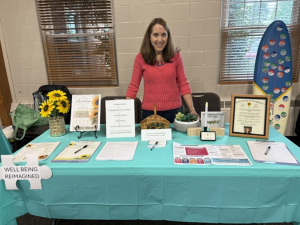 Cheryl Toto BSN, RN, NC-BC