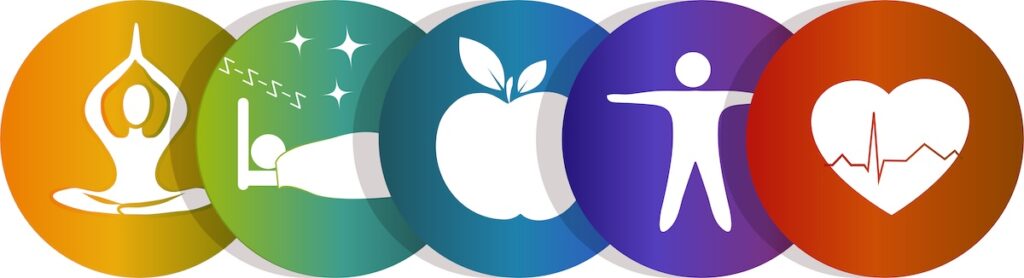
The Power of the Nurse Coach Using the Pillars of Lifestyle Medicine
Nurse Coaching continues to transform the way nurses support healing, wholeness, and sustainable change. But when you combine the art of Nurse Coaching with the six pillars of Lifestyle Medicine, you gain a framework that is holistic, scientifically grounded, and deeply aligned with nursing values.
Many nurses are feeling the strain of symptom-focused care, rising chronic disease, and the emotional weight of seeing the same patterns repeat—without enough time, tools, or support to address root causes.
Lifestyle Medicine for nurses offers an evidence-informed pathway forward, and Nurse Coaching provides the relational skills to help people actually follow through.
This article explores how Lifestyle Medicine strengthens the work of the Nurse Coach, why it enhances client outcomes, and practical ways you can integrate these principles into your nursing practice and coaching conversations.
Who This Article Is For
This post is designed to help nurses understand how Lifestyle Medicine gives them stronger tools, deeper confidence, and a clearer path to supporting sustainable behavior change—without stepping outside scope of practice. It’s especially helpful for:
- Nurse Coaches
- Holistic Nurses
- Nurses exploring the Nurse Coach path
- Students preparing for Nurse Coach or Holistic Nurse board certification
- Any nurse passionate about lifestyle-based, client-centered healing
If you’re a nurse looking to elevate your practice, anchor your work in evidence-informed strategies, or help clients thrive using practical lifestyle interventions, you’re in the right place.
The Connection Between Lifestyle Medicine and Nurse Coaching
At their core, Nurse Coaching and Lifestyle Medicine share the same philosophy: people have an innate capacity for healing, and daily habits play a powerful role in health outcomes.
Lifestyle Medicine provides the structure and evidence base. Nurse Coaching provides the relational skills, therapeutic presence, and behavior-change support that helps clients implement changes in real life. Together, they create a potent model for sustainable transformation.
In other words: Lifestyle Medicine helps answer what supports health. Nurse Coaching helps clients discover how to make change—based on their values, readiness, barriers, and lived reality.
The Six Pillars of Lifestyle Medicine: And How Nurse Coaches Use Them
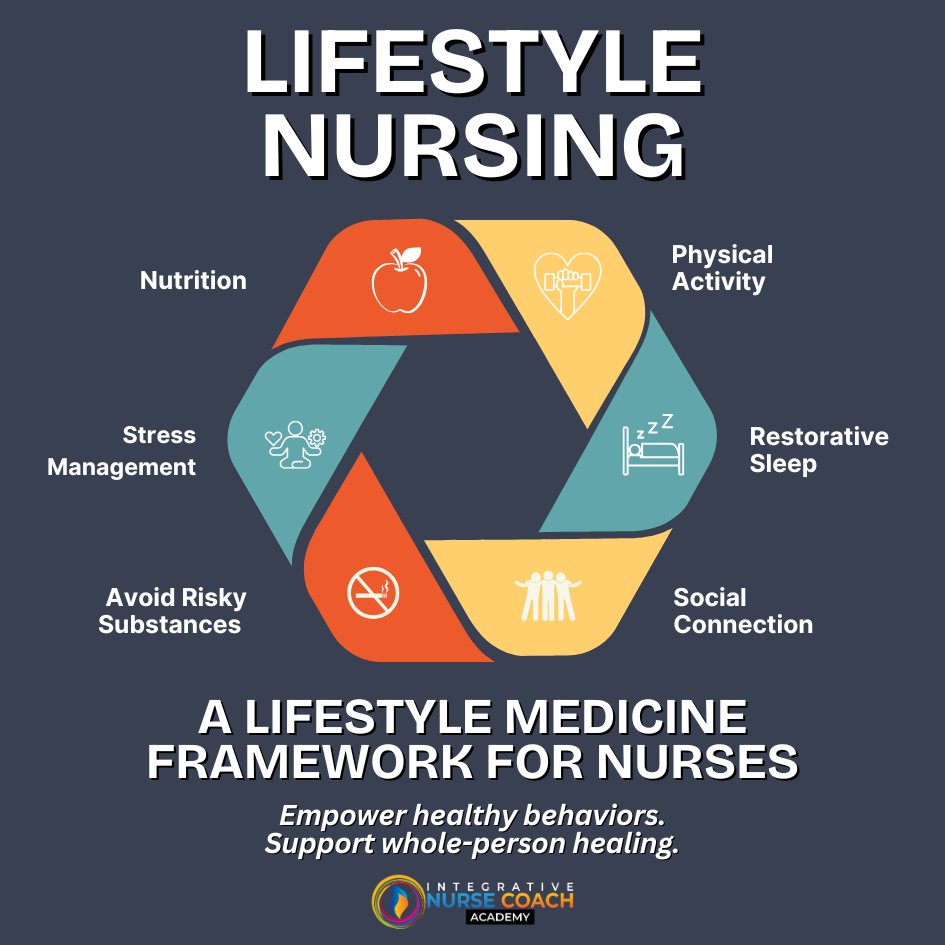
Below are the six core pillars taught in Lifestyle Nursing: A Lifestyle Medicine Framework for Nurses from the Integrative Nurse Coach® Academy (INCA), a course designed specifically to support nurses and Nurse Coaches in applying these principles in practice. Each pillar aligns with the Nurse Coach role—and strengthens your ability to support change ethically, compassionately, and effectively.
A quick note on scope: Nurse Coaches do not prescribe diets, supplements, or treatment plans. Instead, we educate, support self-efficacy, partner with clients on realistic goals, and collaborate with the broader healthcare team when needed.
1. Nutrition: Food as Foundation
Nurses frequently guide clients through emotions around food, body image, habit change, and cultural expectations. Lifestyle Medicine brings clarity by emphasizing patterns that are consistently associated with better health outcomes, including:
- Whole-food, plant-predominant eating
- Nutrient-dense, minimally processed foods
- Using nutrition as a powerful strategy for prevention and chronic disease risk reduction
Why it matters for Nurse Coaches
Clients often feel overwhelmed by conflicting nutrition advice. As a Nurse Coach, you don’t prescribe a diet—you create a safe space and guide clients as they explore what nourishes them physically, emotionally, financially, and culturally. You also help them translate education into realistic routines that fit their life.
Nurse Coach lens: Instead of “perfect eating,” focus on small, repeatable shifts the client chooses—because consistency changes outcomes.
2. Physical Activity: Movement that Fits Real Life
The Nurse Coach approach honors the reality that movement is personal. Instead of “shoulds,” Nurse Coaches ask:
- What kind of movement brings you joy?
- What feels possible today?
- What support do you need to succeed?
Lifestyle Medicine reinforces movement as a therapeutic intervention—not a punishment or a chore, but a catalyst for better sleep, mood, metabolic health, and longevity. Lifestyle Medicine provides the “why.” Nurse Coaching provides the motivation, accountability, and problem-solving that help clients keep going when life gets busy.
Nurse Coach lens: “What’s the smallest dose of movement that would still count as a win this week?”
3. Restorative Sleep: The Missing Ingredient in Wellness
Many clients have no idea how powerfully sleep affects cravings, emotional regulation, immune function, and cardiometabolic health. Lifestyle Medicine emphasizes sleep hygiene, circadian rhythms, and evidence-informed strategies to improve rest. Nurse Coaches help clients identify barriers such as:
- Work schedules and shift work
- Stress activation and rumination
- Environmental factors (light, noise, temperature)
- Emotional turbulence, grief, or anxiety
The Nurse Coach helps clients name what is disrupting their rest and co-create strategies that are realistic—so improvement is sustainable, not just temporary.
“Sleep is your life-support system and Mother Nature’s best effort yet at immortality.”
– Matthew Walker, PhD, neuroscientist and sleep researcher
Nurse Coach lens: Sleep isn’t “one more task.” It’s a foundational form of self-regulation that makes every other habit easier.
4. Stress Management: Regulating the Nervous System
Nurse Coaches excel here. Therapeutic presence, motivational interviewing, guided imagery, breath practices, and mindfulness techniques are often already part of the Nurse Coach toolbox.
Lifestyle Medicine adds validation through well-established findings: chronic stress is associated with increased inflammation, higher cardiometabolic risk, disrupted digestion, altered immunity, and reduced resilience.
Together, Nurse Coaching and Lifestyle Medicine support a whole-person approach that may include:
- Emotional support and reflective listening
- Somatic techniques (breath, grounding, body awareness)
- Identifying stress triggers and patterns
- Building sustainable coping strategies and protective routines
This pillar often becomes the key that unlocks a client’s ability to change everything else.
Nurse Coach lens: If the nervous system is overloaded, behavior change feels unsafe. Regulation restores choice.
5. Avoidance of Risky Substances: Honoring Safety and Healing
Nurse Coaches approach substance use with compassion and non-judgment. Lifestyle Medicine adds structure by focusing on how certain exposures can undermine health and recovery, including:
- Nicotine and vaping products
- Excessive alcohol
- Recreational substance use or prescription misuse
- Everyday environmental exposures (when relevant)
As a Nurse Coach, you help clients explore their relationship with substances through the lens of readiness for change, harm reduction, safety planning, and supportive referrals when appropriate.
Nurse Coach lens: Replace shame with curiosity. “What is this substance doing for you right now—and what might you want instead?”
6. Social Connection: The Heart of Healing
One of the strongest predictors of longevity is connection. That’s one reason Nurse Coaches are so effective: Nurse Coaching is relationship-centered.
Nurse Coaching is grounded in:
- Warmth
- Empathy
- Co-creation
- Respect
- Support
Lifestyle Medicine highlights the science behind connection—while Nurse Coaches embody it in every session. People feel seen, supported, and empowered, often for the first time in a long time.
Nurse Coach lens: Connection isn’t “extra.” It is a therapeutic factor that can change outcomes.
Why Nurse Coaches Are Perfect for Delivering Lifestyle Medicine
Lifestyle Medicine gives clients the evidence. Nurse Coaches offer the support that turns insight into action.
Nurse Coaches are uniquely positioned because they:
- Understand behavior change and health psychology
- Create trusting therapeutic relationships
- Help clients identify their own intrinsic motivation
- Work holistically (mind–body–spirit)
- Use strengths-based frameworks
- Support the emotional and practical side of change
Even the most evidence-informed lifestyle recommendations can fail without support. Nurse Coaches bridge the gap between “knowing” and “doing.”
“Knowledge doesn’t change behavior. Support does.” – Dr. Barbara Feldstein Ewing, professor and researcher
How Lifestyle Medicine Strengthens Your Nurse Coach Practice
1. You gain evidence-informed confidence
You’re not guessing—you’re grounded in a clear, research-aligned framework that complements your holistic skills.
2. Your sessions become more structured
The pillars act as a practical roadmap you can integrate into assessments, goal-setting, and follow-up plans.
3. You expand your impact as a nurse and healer
Clients trust nurses. When nurses combine lifestyle guidance with coaching skills, sustainable change becomes more achievable.
4. You’re better equipped to support clients with chronic conditions
Many common concerns—metabolic health, blood pressure, stress-related symptoms, sleep disruption, and mood patterns—are strongly influenced by lifestyle factors.
5. You elevate the clarity and value of Nurse Coaching
Lifestyle Medicine helps communicate what Nurse Coaches do in a way that is easy for clients, colleagues, and organizations to understand.
Examples of Using Lifestyle Medicine in Nurse Coaching Sessions
Below are simple examples that show how Lifestyle Medicine and Nurse Coaching work together. Notice the pattern: the pillar provides direction, and the coaching process provides follow-through.
Case Example #1: Stress and Sleep
A client experiencing burnout co-creates a sleep routine, an evening wind-down ritual, and a brief nervous system regulation practice they can repeat nightly. Within weeks, their mood, energy, and focus begin to improve.
Reflective question: What would “realistic sleep support” look like for this client’s schedule, environment, and stress load?
Case Example #2: Nutrition and Connection
A client struggling with emotional eating explores their relationship with food and identifies loneliness as a key trigger. Together, they build a supportive routine: a weekly meal-prep check-in with a friend and one shared meal each week. The client feels nourished instead of deprived.
Reflective question: How might social connection be the missing ingredient behind a “nutrition” concern?
Case Example #3: Movement and Motivation
Rather than prescribing an exercise plan, the Nurse Coach helps the client discover they love dancing. Movement becomes joyful, identity-based, and sustainable—not forced.
Reflective question: What type of movement would this client actually repeat because it feels like them?
Nurse Coaches don’t “fix” clients; they empower them. Lifestyle Medicine strengthens the process by providing a clear, evidence-informed direction for change.
Ready to Go Deeper?
Lifestyle Nursing: A Lifestyle Medicine Framework for Nurses is designed for nurses (RNs and NPs) who want to integrate the six pillars into real-world nursing practice and Nurse Coaching—ethically, confidently, and with a whole-person lens.
In this course, you’ll strengthen your ability to:
- Apply a Lifestyle Medicine nursing framework in client-centered conversations
- Support sustainable behavior change without relying on willpower alone
- Use Nurse Coaching skills to turn evidence into daily practice
If you’re ready to bring more clarity, confidence, and measurable impact to your work, explore the course here: Lifestyle Nursing: A Lifestyle Medicine Framework for Nurses.
For Further Reading
Learn More about Lifestyle Medicine for Nurses at INCA
FAQ: Lifestyle Medicine for Nurses and Nurse Coaches
Is Lifestyle Medicine within a nurse’s scope of practice?
Yes—nurses have long supported health education, prevention, and patient-centered care. Lifestyle Medicine for nurses focuses on evidence-informed habits and behavior change support. Nurse Coaches emphasize partnership, self-efficacy, and collaboration rather than prescribing treatment plans.
How is a Nurse Coach different from a health coach?
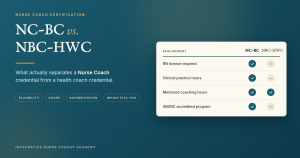
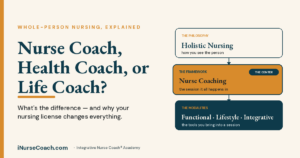
Nurse Coaches bring clinical nursing knowledge, a whole-person lens, and professional standards of practice into the coaching relationship. They integrate health education with deep behavior-change support and therapeutic presence, grounded in nursing values.
How can I start using the six pillars in practice right away?
Start small: choose one pillar and one achievable change the client selects. Use coaching questions to explore readiness, barriers, support systems, and what “success” realistically looks like this week. Sustainable change is built through repetition, reflection, and support.
The power of the Nurse Coach lies in the ability to combine science, compassion, and holistic wisdom. Lifestyle Medicine gives you the tools, while Nurse Coaching brings the heart. Together, they create a pathway to health that is sustainable, empowering, and life-changing.
If you’re ready to expand your practice, deepen your impact, and help clients transform their lives from the inside out, this is where you begin.